
Explore Pathways
The pathways below offer different ways of engaging inner experience and altered states.
Each opens a distinct door, explored collaboratively and with care.
Cannabis
-
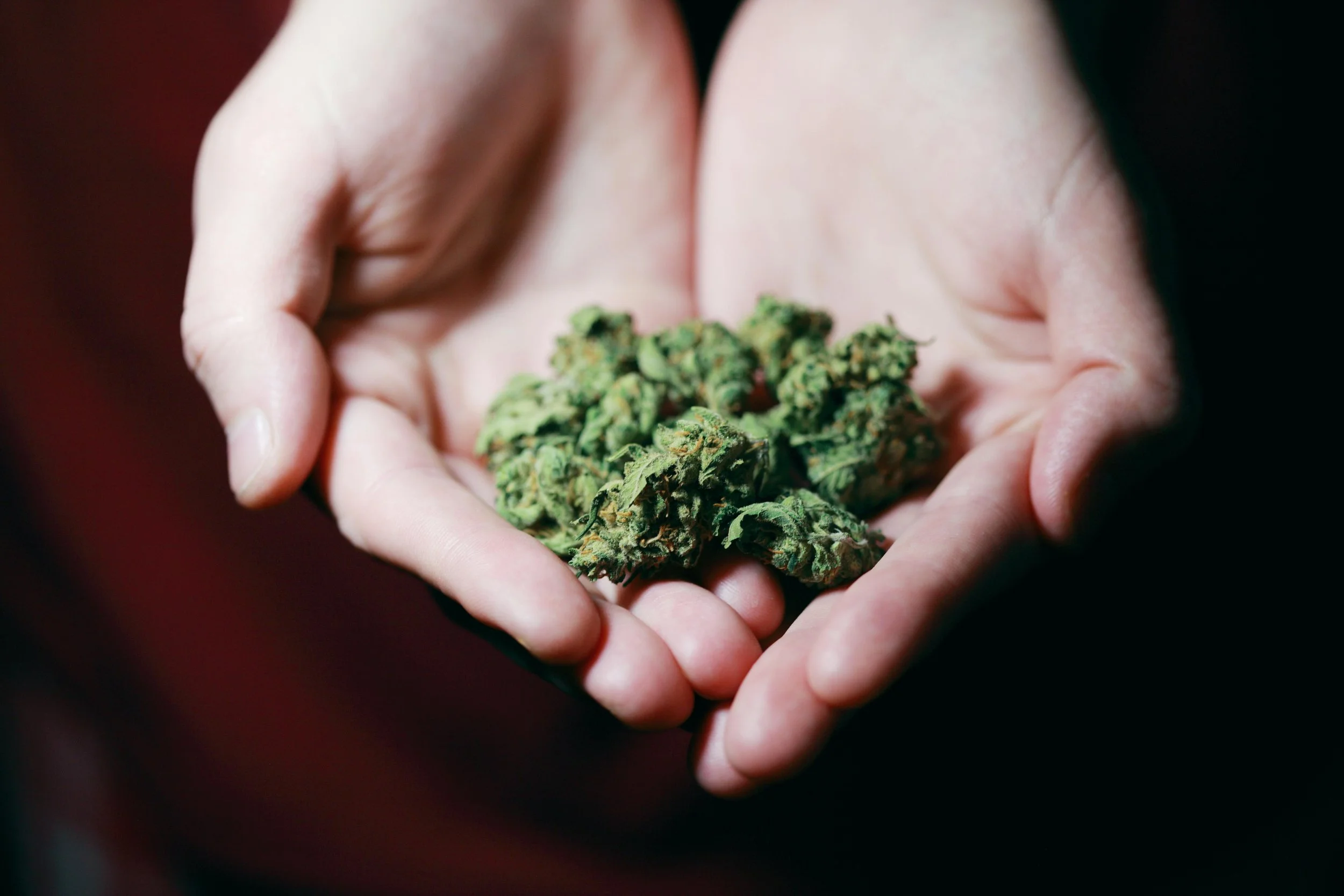
Cannabis-assisted therapy uses intentional, therapeutic doses of cannabis to support inward attention, emotional access, and embodied awareness within a guided, relational container.
When used skillfully, cannabis can soften habitual defenses and quiet mental over-control, allowing sensation, memory, emotion, and imagery to come into awareness at a pace that remains accessible and workable. Rather than inducing a dramatic altered state, cannabis often supports a gentler, relational unfolding - one that stays close to the body and present-moment experience.
In this context, cannabis is not used recreationally or for escape. It is used to support deeper contact with self while maintaining orientation, agency, and dialogue.
History:
Cannabis has a long global lineage as a medicinal and ritual plant. Across cultures - including parts of India, Africa, the Middle East, and the Americas - it has been used to support healing, spiritual inquiry, creativity, and communion with the inner and unseen worlds.
In contemporary therapeutic settings, clinicians and facilitators have explored cannabis as a plant that can support trauma processing, somatic awareness, and emotional reconnection when used with intention, preparation, and skilled guidance.
This work honors both the ancient roots of the plant and its responsible, modern clinical use.
-
Cannabis-assisted sessions are held in a calm, supportive setting and move at a slower, more relational pace than many other psychedelic pathways. Sessions begin with a brief check-in and intentional use of cannabis - most often in a vaporized form to allow for precise dosing and a smoother onset.
Depending on the individual and dose, people may experience:
Heightened body awareness
Somatic release
Access to feelings, memories, or insights with greater ease
Experiences are typically gentler and more grounded than classic psychedelic journeys, with most clients remaining oriented and able to reflect or speak as needed.
Sessions may include:
Grounding or body-based guidance
Subtle verbal prompts and music
Somatic or relational support
Gentle breathwork when helpful
Typical arc:
Offered as single sessions or short series
Sometimes used earlier in a therapeutic process or before working with other medicines
Integration support after each session
-
Cannabis-assisted therapy may be supportive for:
Anxiety or stress patterns
PTSD, trauma-related symptoms
Depression
Emotional suppression & difficulty accessing feeling
Somatic awareness and body-based processing
Feeling stuck despite prior therapy or insight
This pathway is often chosen by people new to altered-state work, those seeking a gentler, more orienting experience, or individuals for whom other psychedelic medicines are not currently a fit.
-
While cannabis has a long history of traditional and medicinal use, formal research on cannabis-assisted psychotherapy is still emerging.
Existing studies and clinical observations suggest that cannabis may influence emotional processing, memory reconsolidation, fear extinction, and somatic awareness - mechanisms relevant to anxiety, trauma-related symptoms, and mood regulation. Research has also examined cannabis’s effects on the endocannabinoid system, which plays a role in stress response, emotional regulation, and nervous-system balance.
Much of what informs current practice comes from:
Observational and clinical experience in therapeutic settings
Research on cannabis, PTSD, anxiety, and mood disorders
Psychedelic-informed psychotherapy models adapted for cannabis use
As with other psychedelic-adjacent therapies, ongoing research is evolving. Cannabis-assisted therapy is best approached thoughtfully, with careful screening, dosing, and professional guidance.
-
Cannabis-assisted sessions are priced based on session length and whether work occurs as a single session or short series.
Typical range:
Beginning at $950, includes 5hr journey + Preparation and integration sessions
Multi-arc offerings available
Ketamine

-
Ketamine-assisted therapy (KAP) combines ketamine - a legally prescribable medicine - with psychotherapy and integration support.
At sub-anesthetic doses, ketamine can temporarily reduce rigid cognitive and emotional patterns, creating a window in which insight, emotional processing, and perspective shift may occur. Many people experience a loosening of habitual narratives or an altered relationship to thoughts and emotions, allowing material to emerge that is often difficult to access through talk therapy alone.
All ketamine work begins with appropriate medical and psychological screening. Depending on individual needs and clinical considerations, ketamine may be offered through different routes of administration, including:
Intramuscular (IM) ketamine, administered in collaboration with a licensed nurse practitioner, which typically offers a more consistent and time-bound experience
Sublingual lozenges (troches), which tend to have a gentler onset and a more gradual engagement with the therapeutic process
History:
Ketamine was first synthesized in the 1960s and has been used for decades in medical settings, primarily as an anesthetic and analgesic. In later years, clinicians began to observe its effects on mood, perception, and emotional processing, leading to its careful adaptation for therapeutic use in mental health contexts.
-
During ketamine sessions, experiences vary widely. Some people notice subtle shifts in perception or emotional tone, while others have more immersive internal experiences. Commonly reported effects may include:
Common experiences include:
Altered perception of time or self
Reduced inner narrative or rumination
Emotional access with less defensiveness
Imagery or memory reconsolidation themes
Experiences range from subtle to immersive.
Typical arc:
Preparation: 2+ sessions
Medicine sessions: often a series, not a single session
Integration: occurs after each medicine session and over time
The therapeutic process develops over weeks to months, allowing insights to be revisited, refined, and integrated at a sustainable pace.
-
The strongest clinical evidence for ketamine-assisted therapy is in the treatment of mood-related conditions, particularly:
Major depressive disorder, including treatment-resistant depression
Acute suicidal ideation, within appropriate medical and clinical contexts
There is also growing clinical use and emerging research exploring ketamine’s role in supporting people experiencing:
Trauma-related symptoms
Anxiety and mood regulation difficulties
Chronic stress, burnout, and emotional exhaustion
Periods of psychological rigidity or feeling “stuck” despite prior therapy
Ketamine-assisted therapy is not appropriate for everyone. Suitability is determined through medical and psychological screening, with attention to individual history, current stability, and treatment goals.
-
Ketamine is one of the most studied psychedelic-adjacent medicines in mental health. Multiple meta-analyses and systematic reviews have examined its effects across mood, suicidality, anxiety, and trauma-related symptoms within medical and psychotherapeutic contexts.
Major Depressive Disorder (MDD) & Treatment-Resistant Depression (TRD):
Meta-analyses of randomized controlled trials consistently show rapid reductions in depressive symptoms, often within hours to days, particularly for treatment-resistant depression. Repeated dosing protocols tend to produce more sustained effects than single administrations, though durability varies.Suicidal Ideation:
Meta-analytic findings suggest ketamine may produce short-term reductions in suicidal ideation in certain clinical populations. Results are mixed across studies, with benefits appearing most clearly in acute timeframes.Anxiety Disorders & Anxiety Symptoms:
Systematic reviews indicate emerging evidence for reductions in anxiety symptoms following ketamine administration, though findings are more variable and the evidence base remains smaller than for depression.Trauma-Related Symptoms (PTSD):
Meta-analyses report modest, short-term improvements in PTSD symptoms, often within the first days following administration. Effects tend to diminish over time, and current evidence is considered preliminary.Bipolar Depression:
High-level reviews suggest potential antidepressant effects in bipolar depression, though the research base is limited and clinical nuance is required.Overall Interpretation:
Across diagnoses, meta-analyses indicate ketamine’s strongest and most consistent evidence is for depressive disorders, particularly treatment-resistant depression. Outcomes appear influenced by dosing strategy, repetition, and therapeutic context, with research continuing to evolve. -
Ketamine-assisted therapy is offered as a structured therapeutic container, which includes preparation, medicine sessions, and integration. Pricing varies based on route of administration and overall level of support.
Typical ranges:
Ketamine lozenges / troches (oral/sublingual):
Beginning at $1,200+ for a multi-session therapeutic arc
Pricing reflects preparation, guided sessions, and integration
Medication cost is separate and paid directly to the prescriber/pharmacy
Intramuscular (IM) ketamine:
Beginning at $2,500+ depending on number of sessions and medical involvement
IM protocols involve higher clinical oversight and shorter, more immersive sessions
Medical costs are separate from therapeutic services
Exact pricing is discussed during consultation once we determine fit, protocol, and level of support.
Psilocybin

-
Psilocybin is a naturally occurring psychoactive compound found in many species of mushrooms that grow across diverse ecosystems worldwide. When ingested, psilocybin is converted by the body into psilocin, the compound primarily responsible for its effects on perception, emotion, and consciousness.
Humans have engaged psilocybin-containing mushrooms for thousands of years in ceremonial, medicinal, and spiritual contexts. Archaeological and ethnographic records suggest their use across multiple cultures and continents - including Mesoamerica, parts of Africa, Siberia, and regions of Europe - often in ritual settings oriented toward healing, insight, and communion with the unseen dimensions of life.
In the mid-20th century, psilocybin entered Western scientific and cultural awareness, becoming associated with countercultural movements alongside substances such as LSD and cannabis. While this period brought increased visibility, it also led to decades of prohibition that interrupted formal research.
Over the past two decades, psilocybin has re-emerged as a serious subject of clinical and scientific study. Research institutions including Johns Hopkins University, Imperial College London, and other leading universities have investigated its effects on mood, cognition, neuroplasticity, and psychological flexibility, particularly when used within structured therapeutic frameworks.
In Colorado, psilocybin has been legalized for personal use and approved for regulated therapeutic access, allowing this ancient medicine to be engaged within modern, ethical, and professionally supported contexts.
-
Psilocybin-assisted sessions can vary widely in intensity and content. Some people experience vivid inner imagery or emotional depth, while others encounter quieter, more symbolic or reflective states. Experiences may unfold in waves and are approached with care, pacing, and ongoing support.
Commonly reported experiences may include:
Altered perception of time, space, or sense of self
Heightened emotional and somatic awareness
Access to autobiographical memory and meaning-making
Visual imagery or symbolic inner experiences
Moments of insight, connection, or transpersonal awareness
Periods of challenge, intensity, or emotional release
Typical arc:
Preparation: 1–3+ sessions focused on safety, intention, and readiness
High-quality, lab-tested psilocybin prepared with precise dosing standards
Journey day - typically unfolds over 6–8 hours. After arriving and settling in with your guide, the medicine is taken intentionally, often as a tea. You’ll be invited to lie down, close your eyes, and turn inward. Music, silence, and gentle therapeutic support may be offered as the experience unfolds. An optional booster may be available based on how the journey is progressing and your expressed consent.
Integration: occurs after the session and over time, often across multiple sessions.
-
Psilocybin-assisted work may support individuals who are seeking deeper therapeutic engagement around emotional, psychological, or existential challenges - particularly when prior approaches have felt limited or incomplete.
This pathway may be supportive for people experiencing:
Depression, including long-standing or treatment-resistant patterns
Anxiety, including generalized anxiety or existential anxiety
Post-traumatic stress or unresolved trauma-related symptoms
Obsessive or rigid thought patterns, including obsessive–compulsive tendencies
Addiction or compulsive behaviors, when integrated within a broader therapeutic process
Grief, loss, or end-of-life distress
In addition to diagnostic concerns, some individuals are drawn to this work for support with:
Major life transitions or identity shifts
Meaning, purpose, or spiritual/existential exploration
Post-traumatic growth and integration of past experiences
Gaining perspective on entrenched self-narratives or relational patterns
Psilocybin work is not positioned as a cure, and outcomes vary widely.
-
Psilocybin is one of the most studied classic psychedelics in modern clinical research. Findings below reflect patterns observed across systematic reviews and meta-analyses, primarily in controlled, supported therapeutic settings.
Depression (including treatment-resistant depression):
Across meta-analyses, psilocybin-assisted therapy is associated with moderate to large reductions in depressive symptoms, often exceeding those seen in control conditions in the short term. Improvements have been observed weeks to months after treatment, though durability varies and longer-term data is still emerging.Anxiety & end-of-life distress:
In populations facing serious illness or end-of-life concerns, meta-analyses show consistent reductions in depressive distress and improvements in quality of life and existential wellbeing. Effects on anxiety symptoms are positive overall, though more variable depending on the measures used.Post-traumatic stress & trauma-related symptoms:
Systematic reviews suggest potential benefit for trauma-related symptoms, particularly when psilocybin is paired with structured psychotherapy. Evidence remains early, with limited large randomized trials, and is considered promising rather than definitive.Addiction & substance use disorders:
Meta-reviews report encouraging outcomes - especially for alcohol and tobacco use - when psilocybin is used alongside psychotherapy. However, the current evidence base is relatively small, and results should be interpreted cautiously.Obsessive–compulsive symptoms:
Early studies summarized in reviews indicate possible symptom reductions in some individuals, but overall evidence remains preliminary, with small sample sizes and limited controlled data.Neuroplasticity & psychological flexibility:
Across studies, psilocybin has been associated with increased neuroplasticity, whole-brain connectivity, and psychological flexibility, which may help explain observed shifts in mood, perspective, and emotional processing when combined with preparation and integration.Limitations & context:
Much of the existing research involves small samples, expectancy effects, and combined treatment models (medicine plus psychotherapy). Psilocybin is best understood as a catalyst within a therapeutic process, not a standalone intervention, and outcomes depend heavily on screening, preparation, support, and integration. -
Psilocybin work is offered as a multi-part process, not a single-day experience. Pricing reflects preparation, a facilitated journey, and required integration.
Typical range:
$2,200 - $5,000 depending on number of medicine sessions
This range includes:
Preparation sessions
Facilitated journey day
Integration sessions over time
Details are discussed during consultation to ensure clarity and alignment.
Integrative Practices
-
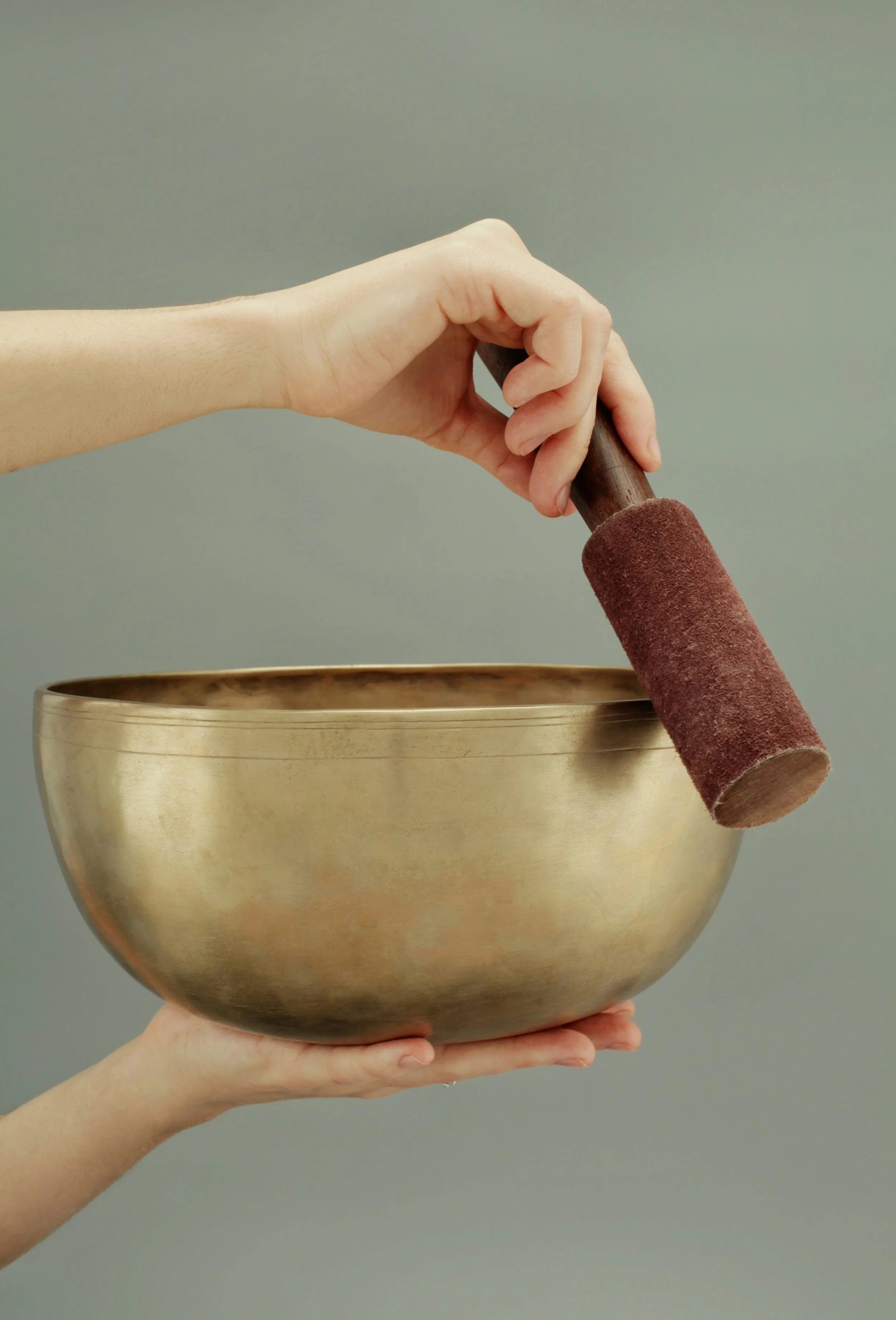
Integrative Practices bring together psychotherapy, somatic work, and subtle-body approaches within a single therapeutic process. Rather than offering techniques in isolation, practices are woven together based on your needs, nervous system, and goals.
Some modalities are offered as separate services, while others are offered as complementary tools selected intentionally based on your needs, nervous system, and goals. The work remains relational, paced, and responsive rather than protocol-driven.
We primarily work with:
EMDR therapy (trauma-focused, neurobiological)
Breathwork (somatic, state-shifting, body-based)
Sound Healing
Energy Work
These approaches can be used on their own or as preparation and integration alongside medicine-assisted work.
-
Sessions are collaborative, embodied, and attuned to capacity.
Depending on your goals and clinical fit, sessions may include:
Talk therapy and relational processing
EMDR-informed trauma processing
Somatic and breath-based practices
Sound or vibration to support regulation and integration
Subtle energy-oriented work used in a grounded, consent-based way
Not every modality is used in every session. The emphasis is on what supports safety, regulation, and meaningful change, rather than on technique.
Typical structure:
Sessions range from 50–90 minutes
Some clients work in short-term focused arcs; others engage longer-term
Change often unfolds gradually and cumulatively rather than through a single peak experience
-
This pathway may be supportive for individuals experiencing:
Trauma and trauma-related symptoms
Complex or developmental trauma patterns
Anxiety and chronic stress
Nervous system dysregulation
Somatic symptoms or emotional overwhelm
Difficulty accessing or integrating emotions
Relational or attachment-based patterns
A desire for depth without the use of psychoactive substances
This pathway is also appropriate for those who are not a fit for medicine-assisted work or who want to begin with non-medicine approaches.
-
This pathway draws from multiple evidence-informed and clinically established frameworks:
EMDR therapy is one of the most extensively researched trauma treatments and is recommended by major international guidelines for PTSD and trauma-related conditions.
Somatic and breath-based therapies are supported by growing research on autonomic nervous system regulation, emotional processing, and trauma recovery.
Sound-based interventions show emerging evidence for effects on stress reduction, nervous system settling, and emotional regulation.
Relational presence and attunement, central to this work, are consistently shown in psychotherapy research to be key predictors of positive outcomes across modalities.
While some elements of this pathway (such as subtle energy-oriented practices) are less represented in conventional research literature, they are used here in a grounded, supportive role alongside established therapeutic approaches.
-
Item descIndividual sessions and short-term arcs are priced based on session length and therapeutic focus.
Typical range:
Beginning at $150 per session
Clients may work short-term around a specific focus or engage in ongoing therapy over time.
Curious if this work is right for you?